
Body First, Brain Second
Reclaiming Your Nervous System After Trauma
Meet the Founder
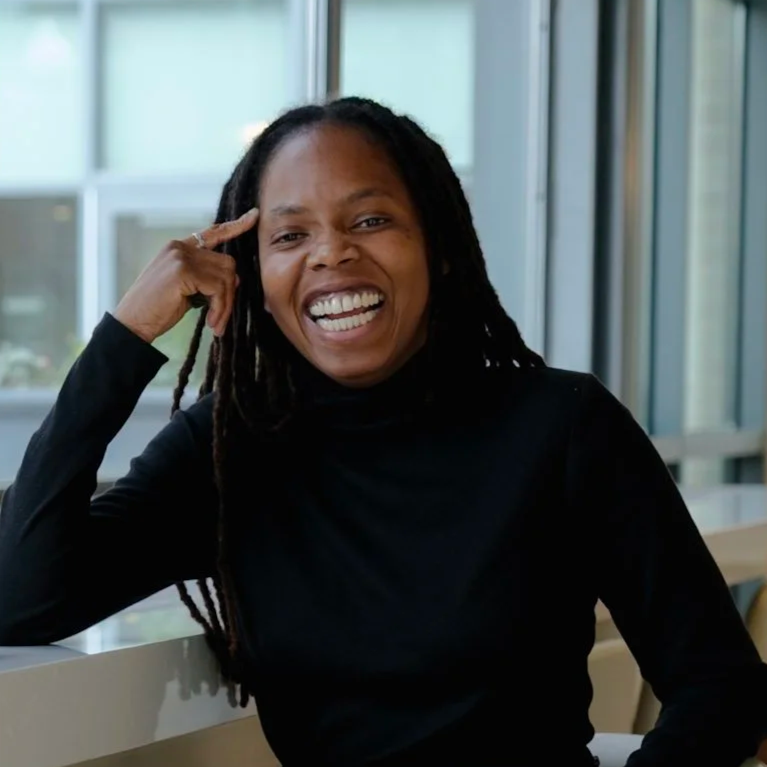
Shimekia Williams, LCPC
-
Body First, Brain Second is a healing program for people who have learned to survive disconnection and are now seeking a way back to themselves.
This program is designed for marginalized communities, individuals navigating life transitions, and those carrying personal, professional, mental, and emotional stress shaped by cumulative trauma. Many participants arrive having tried different forms of healing offered in isolation—therapy, somatic work, community spaces—without ever having them integrated in a way that allows for deeper, embodied change.
At its core, this program teaches people how to reconnect with themselves after trauma by starting with the body. Healing is approached as a nervous system process, not an intellectual one. Regulation, safety, and awareness are cultivated first, creating the conditions for insight, repair, and sustainable change.
What makes this program distinct is its integration. Individual therapy is woven into a communal healing space, allowing participants to practice regulation, connection, and new relational patterns in real time—rather than in isolation. Healing is not treated as a private task to be carried alone, but as something that can be supported and strengthened in community.
This is not a quick intervention or a single modality. It is a structured, intentional process that brings multiple approaches together—honoring both individual care and collective healing—so participants can build capacity that carries into work, relationships, home, and daily life.
What Is Body First, Brain Second?
A healing approach that prioritizes nervous system safety before analysis or problem-solving.
When the body is supported, emotions can move and the mind can make sense of what’s happening—without overwhelm or shutdown.
Nervous System
Trauma research shows the body keeps the score, not the mind! which is why we prioritize nervous system regulation before cognitive processing, giving you the foundation to actually heal and thrive.

Somatic Practices
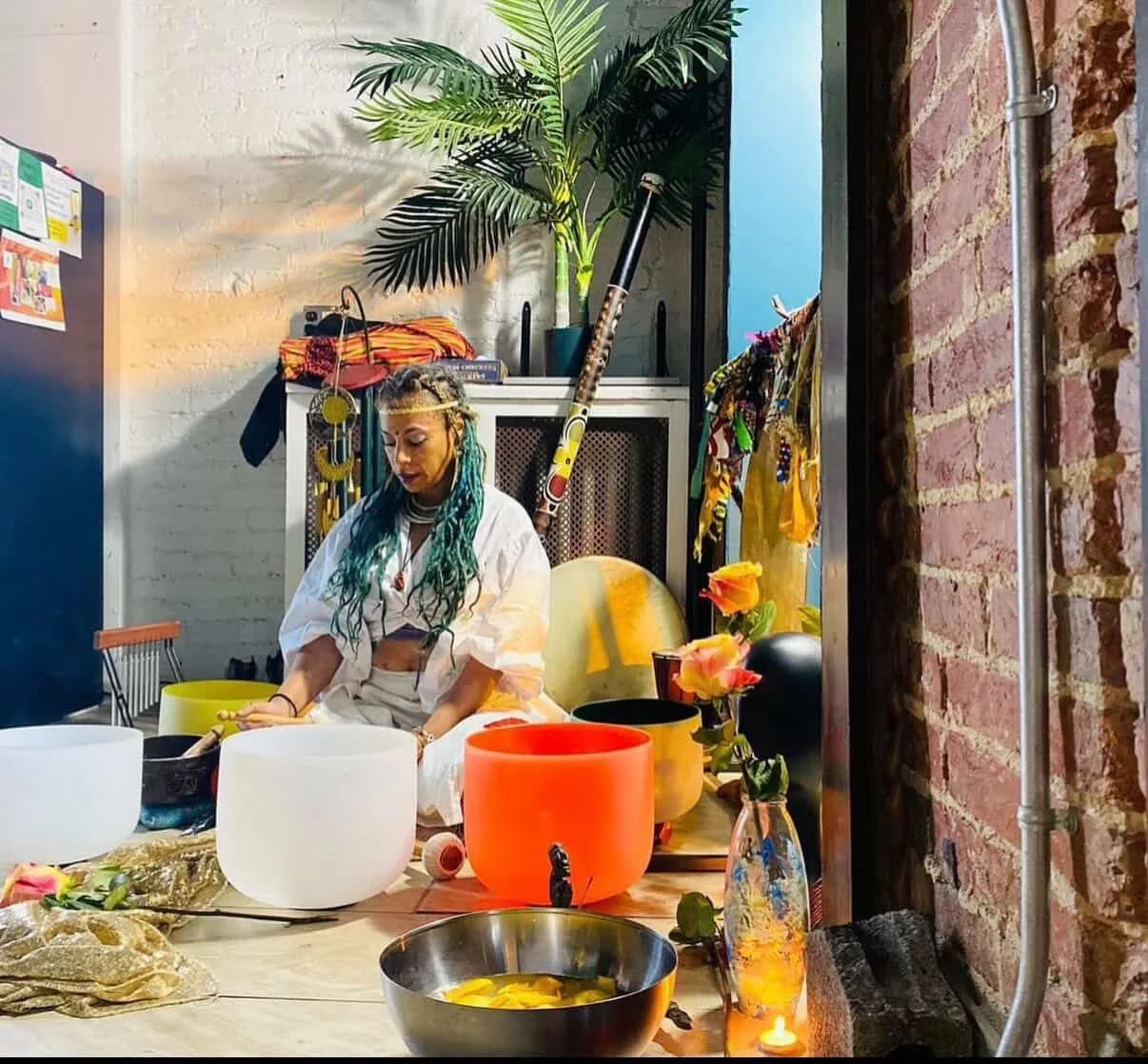
Your body holds what your mind can't process, which is why we use Yoga Nidra, Sound Healing, and Trauma Release Exercises to help you physically release stress, tension, and survival patterns.

Nature Activities
Nature adventures reconnect you to the earth's natural regulation forest bathing, grounding practices, and outdoor movement remind your body what calm actually feels like

Shared Meal
Eating in safe community activates your ventral vagal system (the part of your nervous system that says 'I belong here') shared meals are nervous system medicine. Meals serve by local c hefs. Meal
This Program Is For:
Life Transitions & Personal Stressors
Divorce, separation, or relationship dissolution
Grief, loss, and bereavement
Postpartum anxiety or depression
Caregiver stress
Major role transitions (career changes, relocation, identity shifts)
Trauma & Chronic Stress Exposure
Complex PTSD or PTSD
Narcissistic or emotionally abusive relationships
Religious trauma
Childhood adversity (including adult children of alcoholics)
Incarceration or reentry-related stress (formerly incarcerated individuals)
Chronic exposure to unsafe or destabilizing environments
Mental & Emotional Health
Chronic anxiety or depression
Emotional dysregulation
Attachment wounds or relational stress
Codependency patterns
Difficulty maintaining relationships
Unexplained physical or psychosomatic symptoms
Marginalized Communities
Black women
BIPOC communities
LGBTQ+ individuals
Immigrant populations
Individuals from historically oppressed or marginalized groups
Professional Stress
Corporate and finance professionals
Healthcare workers and clinicians
Mental health therapists and social workers
Educators and academic professionals
Community leaders, organizers, and activists
If your body is holding what your mind can't process—this is for you.
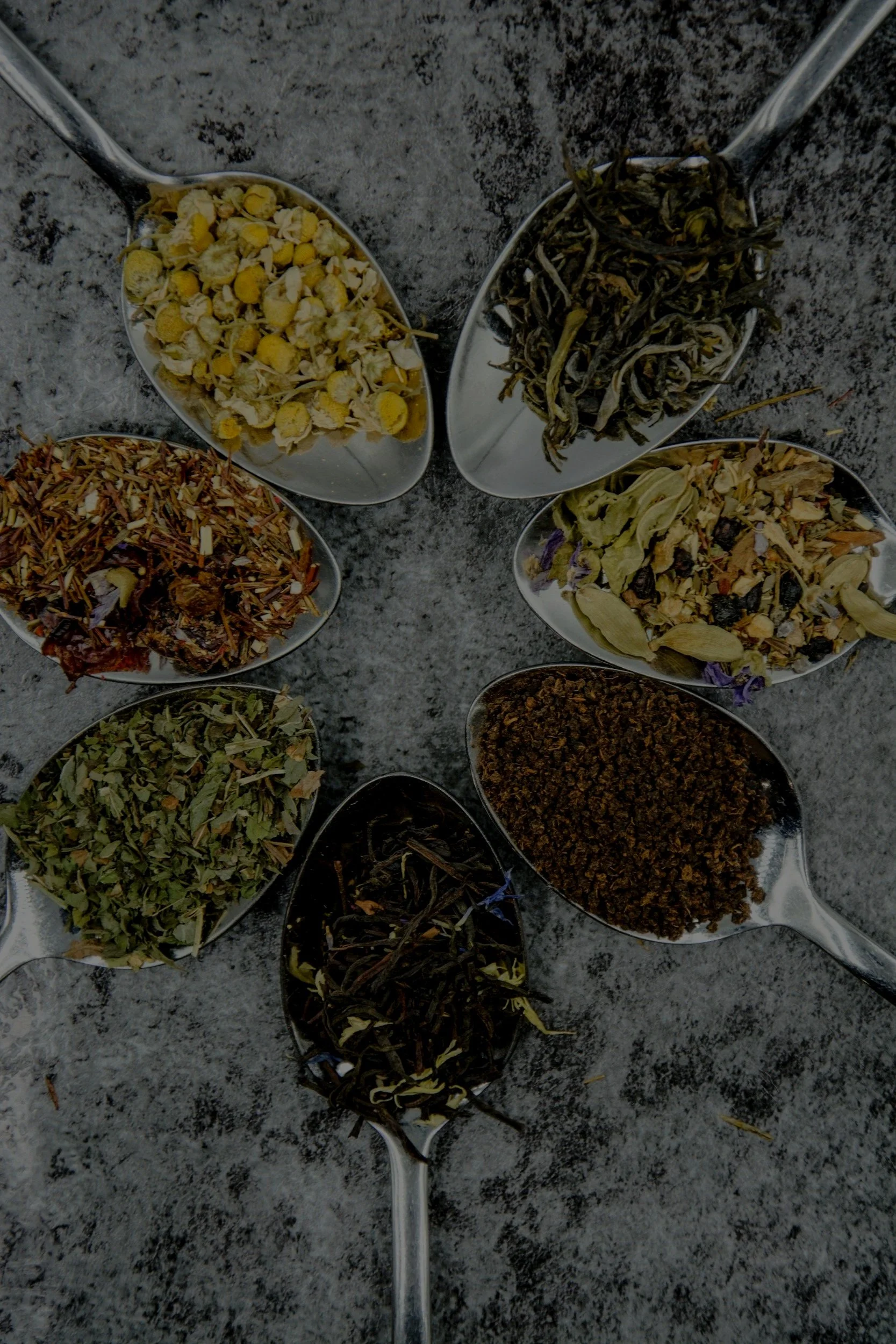
Herbal Tea & Aromatherapy
Herbal teas and aromatherapy are offered as grounding practices that support nervous system regulation through sensory engagement. When the body receives cues of safety and care, it becomes easier to rest, release tension, and reconnect with the present moment.
Individual Therapy
Individual therapy offers you a private container for processing personal experiences, ensuring you have support for whatever arises in your healing.
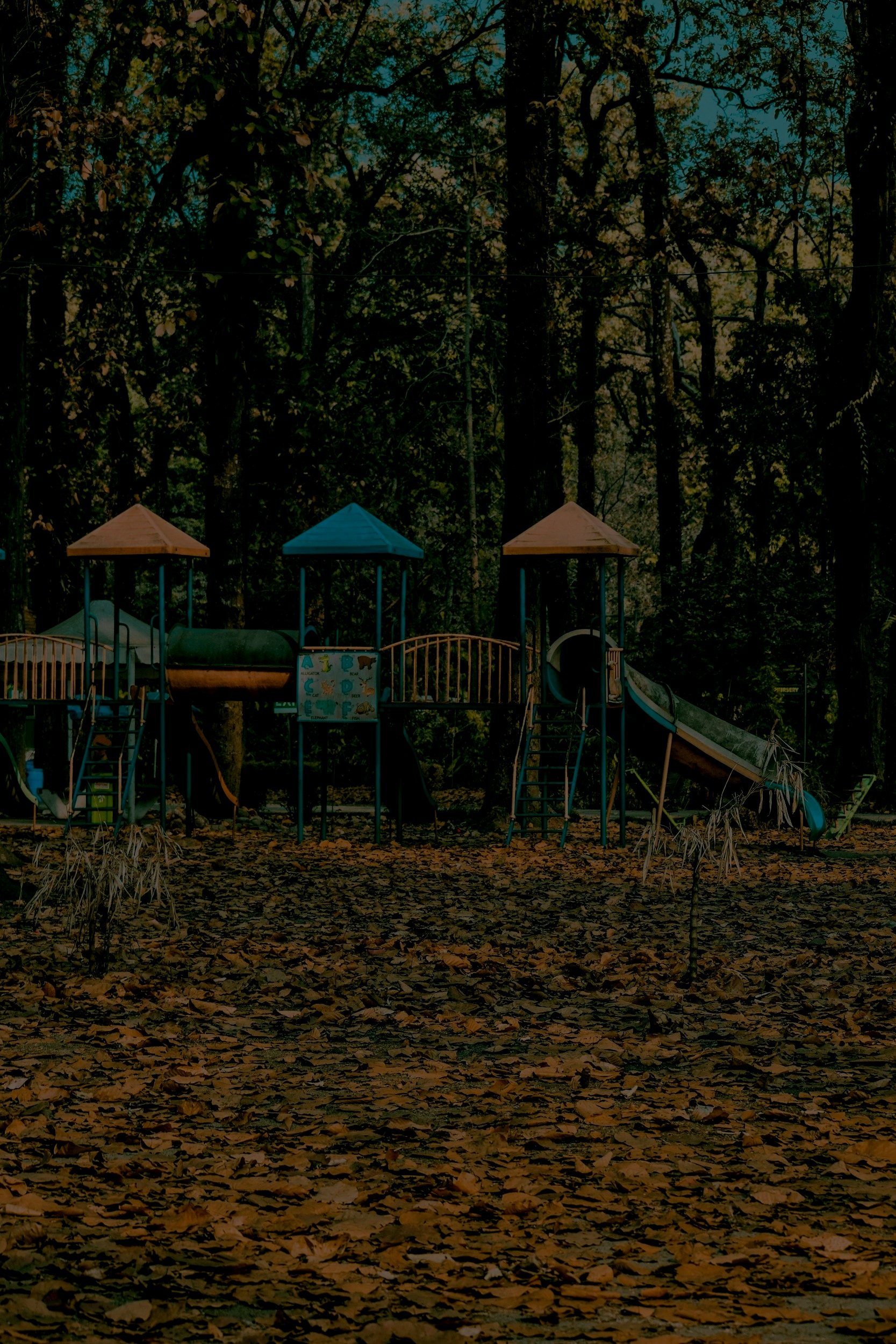
Play
Play is how we reconnect with the inner child who needs healing too. Because that's where our stories often begin, we make space for joy and fun as part of the healing process.
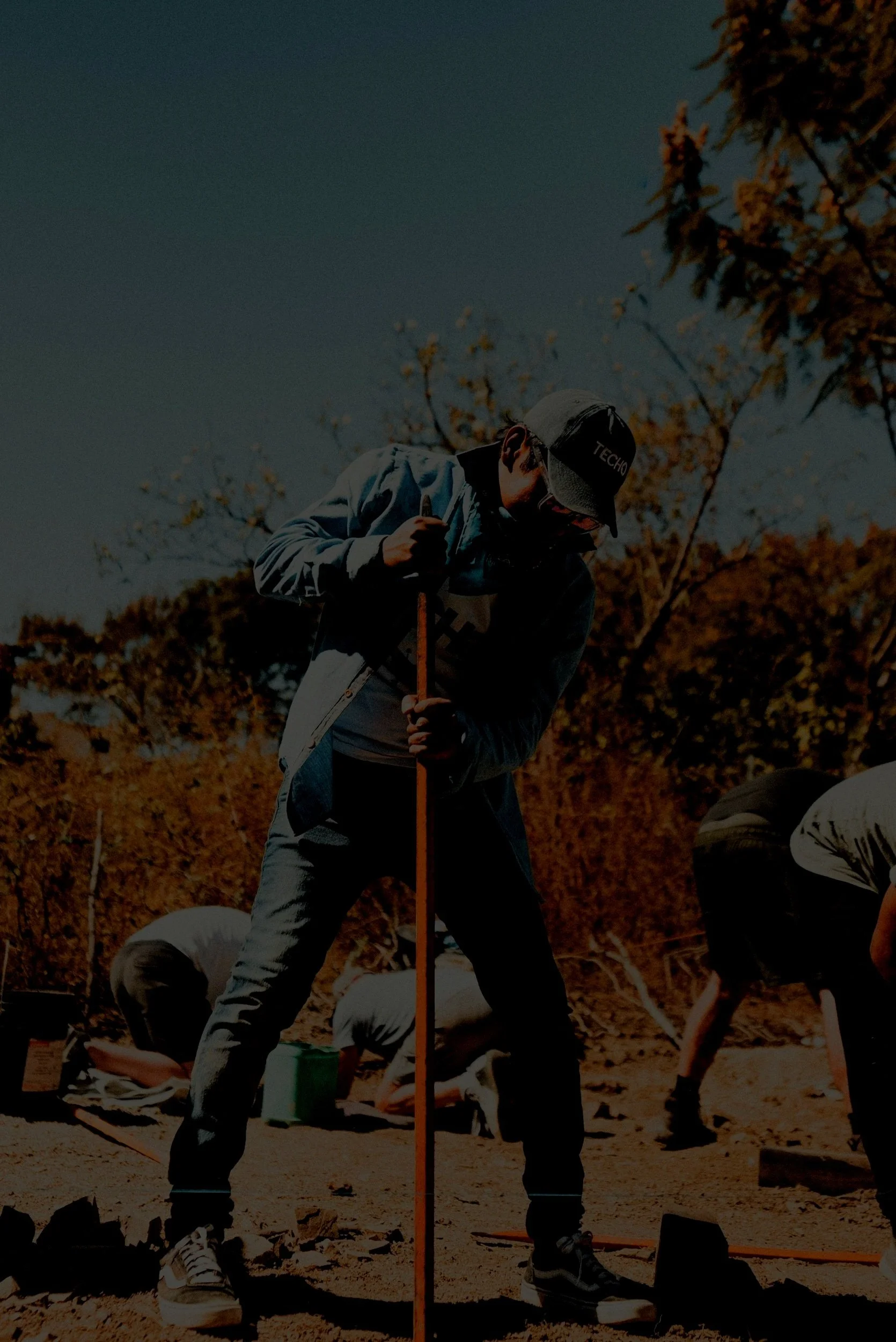
Service
Service is essential because healing isn't complete until we give back. By connecting with those in need, service becomes medicine for both you and your community.
9-week facilitated group program
Yoga
Tension & Trauma Release Exercise (TRE)
Sound Therapy
Nervous system education and integration
Nature-based activities and restorative play
Aromatherapy
Herbal teas
Chef-prepared communal meals
Four structured therapy sessions with a licensed mental health professional
Program materials and guided support
What’s Included:
Program Options
Full Program Investment
Includes:
9-week facilitated group program
Somatic practices (yoga, sound healing, TRE, grounding movement)
Nervous system education and integration
Nature-based activities and restorative play
Aromatherapy, herbal teas, and thoughtfully curated grounding meals
Four structured therapy sessions with a licensed mental health professional
Program materials and guided support
This rate reflects the full scope of facilitation, clinical support, space, materials, food, and care coordination.
$1,800
Community-Sponsored Seats
We reserve a 2 community-sponsored seats in each cohort for participants who would otherwise be unable to access this program.
Includes:
9-week facilitated group program
Somatic practices (yoga, sound healing, TRE, grounding movement)
Nervous system education and integration
Nature-based activities and restorative play
Aromatherapy, herbal teas, and thoughtfully curated grounding meals
Four structured therapy sessions with a licensed mental health professional
Program materials and guided support
Sliding Scale Access
We recognize that systemic inequities, caregiving responsibilities, health challenges, and life transitions can limit access to healing spaces.
A limited number of sliding-scale spots are available per cohort for participants who experience structural barriers to care, including (but not limited to):
Black, Indigenous, and People of Color
Queer, Trans, and Gender-Expansive individuals
Disabled and/or Neurodivergent individuals
Immigrants and formerly incarcerated individuals
Those living with chronic illness
Individuals navigating burnout, grief, divorce, postpartum transitions, or religious trauma
People working in justice-oriented, nonprofit, or community-based roles
$800-$1,200
Contracted Program Investment
This rate reflects:
Program design and facilitation
Somatic and wellness practitioners
Clinical support integration
Materials, supplies, and coordination
Planning, logistics, and post-program wrap-up
Please contact me to learn more
Coverage varies by plan. Participants with Maryland health insurance may have individual therapy and a portion of the group program covered, with an estimated out-of-pocket cost of approximately $1,000
Meet the Team
-
![]()
Shimekia Williams, LCPC
FOUNDER
With a vision rooted in transformation, the founder of Body First, Brain Second blends intuitive insight with grounded, real-world experience. She believes lasting change doesn’t start in the mind, it starts in the body. And that philosophy shapes everything she creates -
![]()
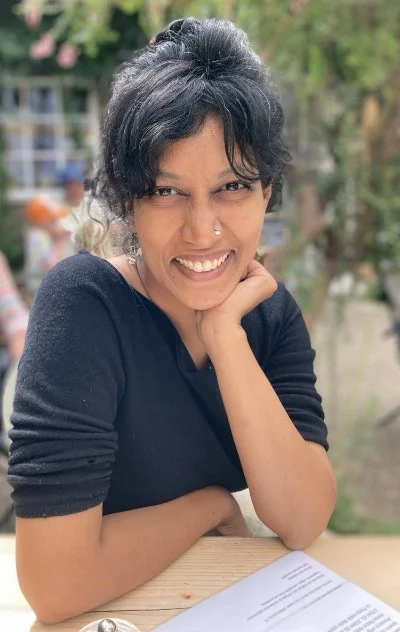
Nomita Khatri
Tension & Trauma Release Exercises®
Creates spaces where people feel safe to let go. She reads the room with care, tunes into what’s unspoken, and guides each person toward the release they didn’t realize they were holding onto. -
![]()
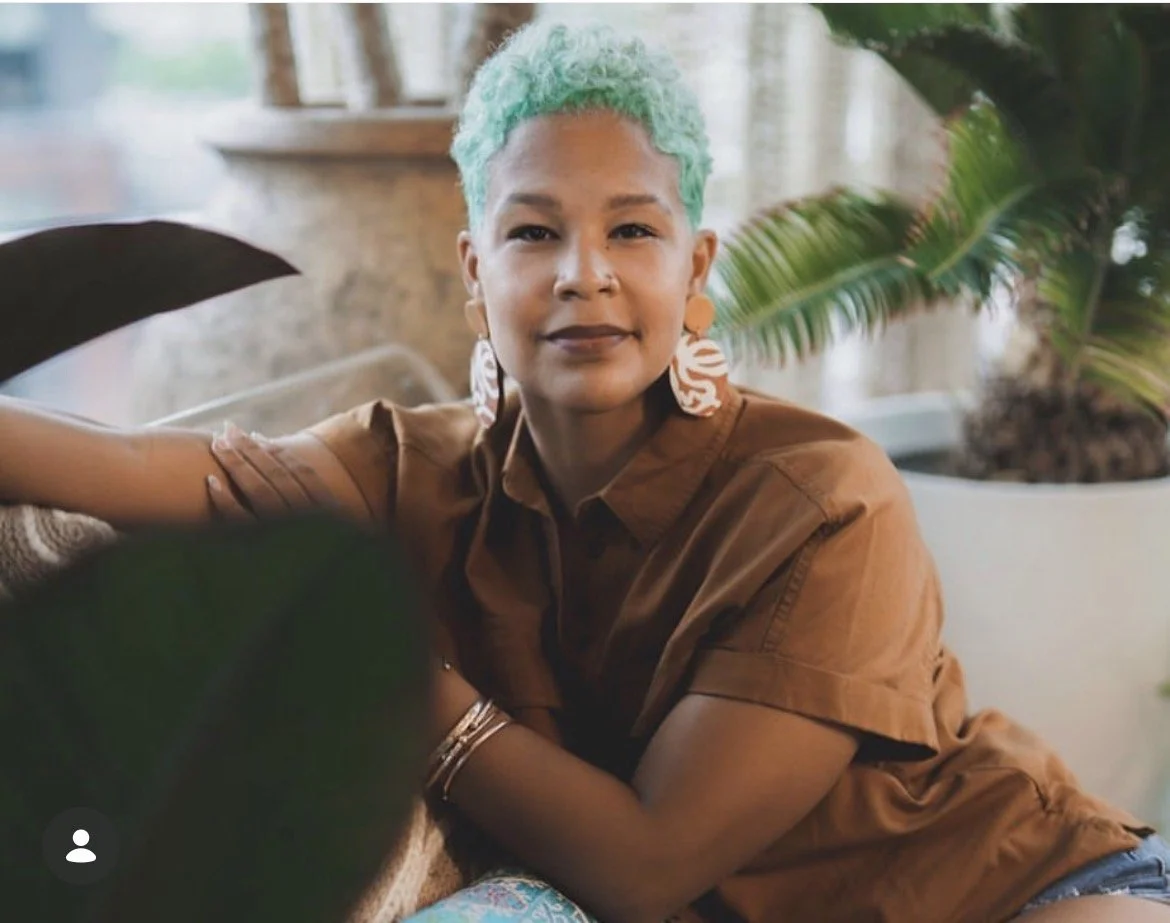
Alyssa Fortune (she/her)
Certified Yoga Nidrā Instructor
she creates a space where stillness feels safe and rest feels productive. With a soothing voice and intentional pacing, she gently leads participants into a state between waking and sleep, where the body softens, the mind unwinds, and deep restoration begins.. -
![]()
Meagé Clements, LCSW-C, NASM-CPT
License Clinical Social Worker
She specializes in supporting individuals navigating relationship trauma, estranged family dynamics, social anxiety, work-related stress, burnout, and holistic wellness challenges. Her approach blends trauma-informed education, nervous system regulation, and holistic movement to foster emotional healing, body trust, and resilience. -
![]()
Michele Blu
Certified Yoga Instructor
She is a devoted yoga practitioner and certified instructor specializing in Power, Hatha, and Kemetic Yoga. Her approach blends disciplined asana practice, yogic philosophy, and culturally rooted wisdom to support holistic wellness, nervous system balance, and embodied self-awareness. She creates spaces that cultivate strength, alignment, healing, and spiritual connection.
-
![]()
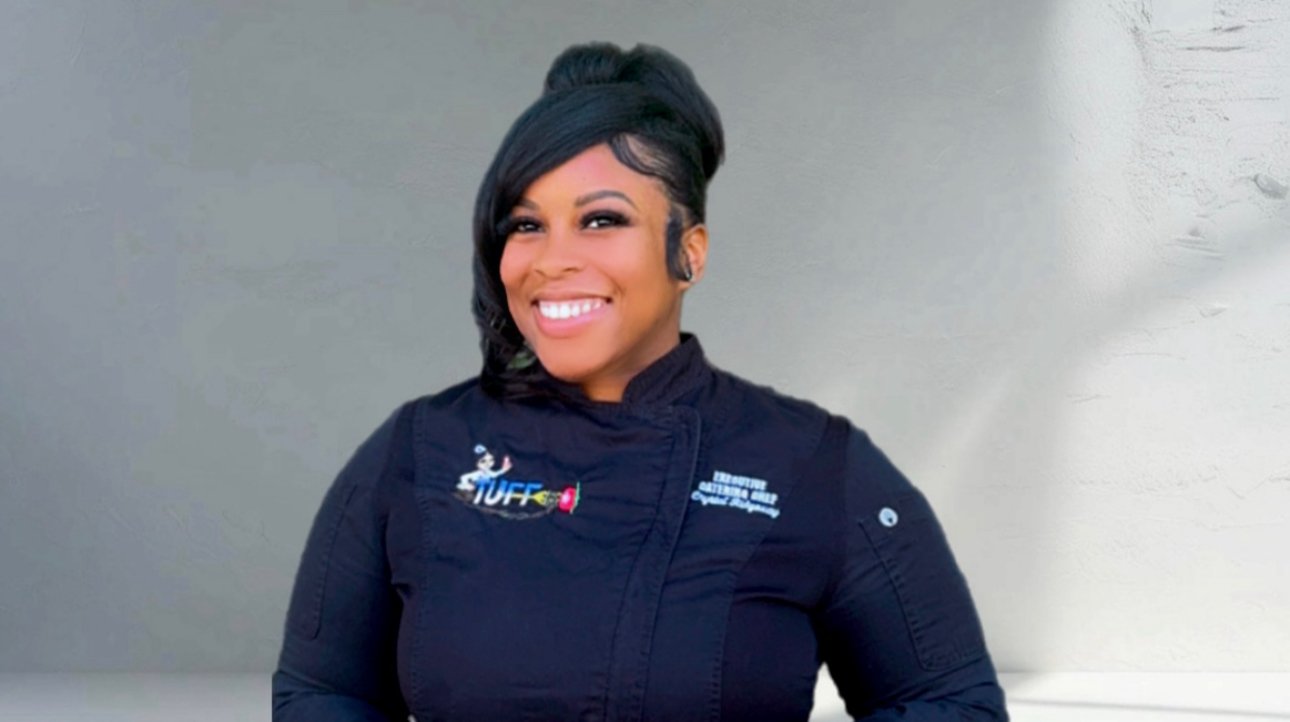
Crystal Ridgeway
Culinary Wellness Chef
Founder of Stuffed Catering (est. 2018), Crystal brings eight years of culinary expertise to the program. She designs nourishing, beautifully crafted meals that support both enjoyment and wellbeing.


Our Sponsors
Want to Chat before deciding?
If you're interested in working with us, complete the form with a few details about your project. We'll review your message and get back to you within 48 hours.